
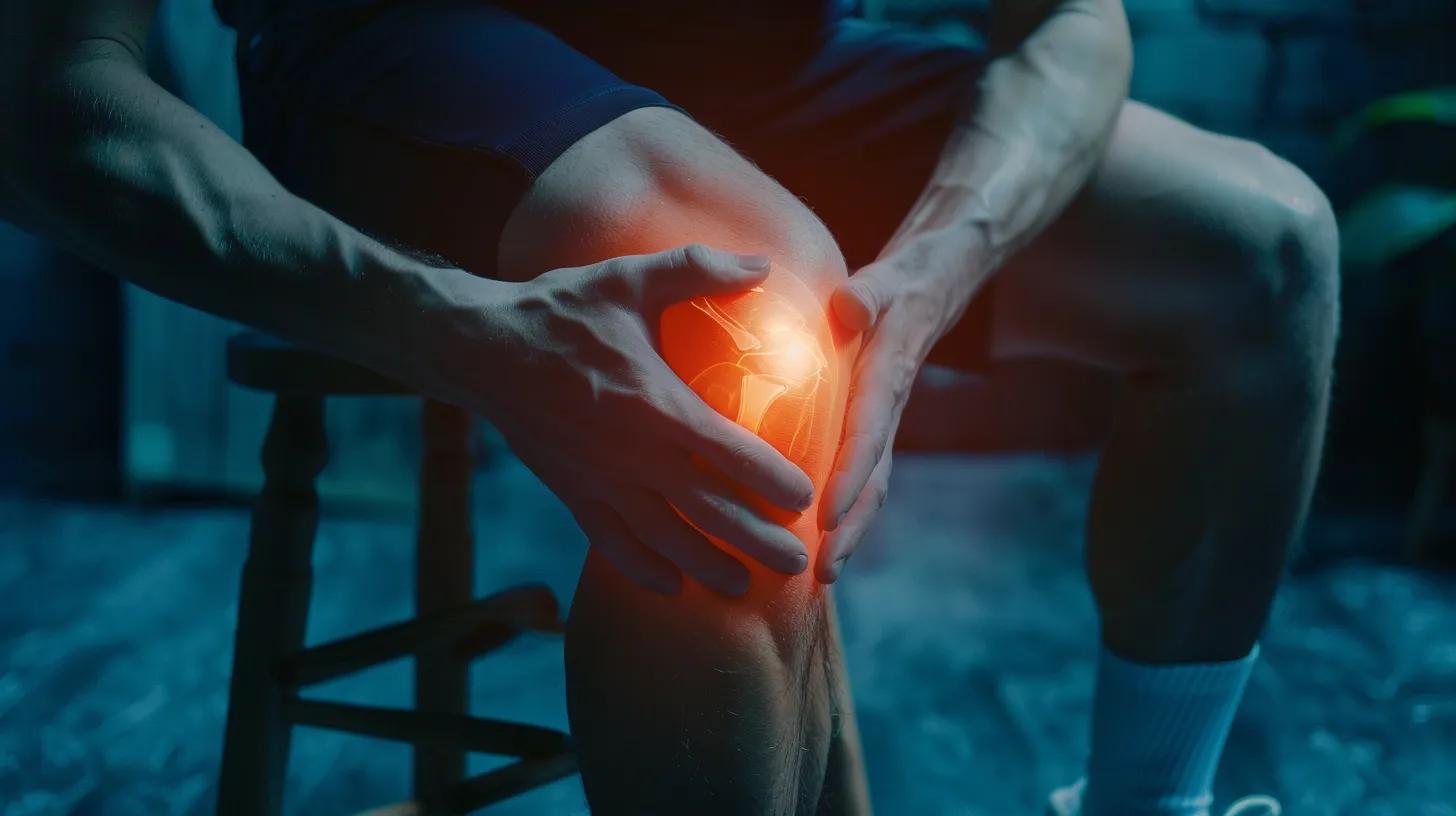
Spotting Early Arthritis Red Flags in Your Knees and Joints
Early signs of arthritis in Martinez GA can be sneaky. One day you wake up, try to stand — and your knees scream at you. Or maybe your fingers seize up after opening a jar. These small betrayals feel like “just getting old” — until one morning they don’t let you walk at all.
At Action Medical Center, we’ve seen countless patients who thought those quirks were normal until they got worse. We believe preventing arthritis flare-ups starts with recognizing those tiny warning shots. And yes — it’s possible to protect your joints as you age, so you don’t become hostage to stiffness or pain.
This blog is for the person who:
- Dreads climbing stairs because of that knee “lock-up”
- Has to shake out their fingers just to button a shirt
- Feels stiff after sleeping, or when changing position
- Wonders if “this is just life” — or if it’s a sign of something deeper
Let’s dig into the symptom-driven signs to watch for, why they happen, and how we at Action Medical Center help you intercept arthritis before it immobilizes your life.
That Morning “Click & Lock” — What’s Really Going On
You slide out of bed, and your knee or hip doesn’t want to cooperate. It clicks, locks, or resists movement until you shift or wiggle. You might shrug it off — after all, stiffness in the morning is “normal,” right?
Not always. That clicking or locking often signals joint surfaces aren’t gliding smoothly — cartilage may be thinning, or internal joint parts are catching where they shouldn’t. Over time, repeated micro-trauma inflames the synovium (joint lining), triggers swelling, and makes the joint feel stiff.
At Action Medical Center, when patients mention this “click & lock” feeling, it often becomes our earliest red flag. We dig deeper with movement analysis, alignment checks, and gentle diagnostics to see whether this is just tight muscles — or the beginning of arthritis in disguise.
When Everyday Tasks Start to Hurt
Beyond waking up, small tasks can betray early joint issues:
- Gripping jars, turning knobs, opening doors — fingers that once had grip strength now tremble or hesitate.
- Walking on inclines or stairs — your knees hurt more going up than down, or vice versa.
- Standing from a chair — there’s a hesitation, a shift, a weird angle your body tries to protect.
- Reaching overhead or lifting light objects — shoulders, elbows, or wrists complain after simple movement.
Each of these moments is a signal. Over time, they pull you out of everyday life:
You skip taking the stairs. You avoid grabbing that jar of peanut butter. You choose the elevator. You stop doing the home projects you love — because your body whispers “no.”
But here’s the thing: those whispers can be heard early — and answered — so the voices of limitation never get loud.
Why Early Signs Escalate Into Big Problems
Unchecked, those little quirks stack up. Here’s how:
- Misaligned joints keep moving off-track, increasing pressure on one part of the cartilage.
- Muscles around the joint weaken or shorten, so your body leans or shifts, stressing adjacent joints.
- Inflammation becomes chronic, making flare-ups more likely and recovery slower.
- Compensation patterns emerge — so your low back, hip, or opposite limb takes up the slack and becomes vulnerable too.
All of this accelerates arthritis progression. By the time pain becomes overwhelming, the damage is already done. Our goal at Action Medical Center is to act before that turning point — to defend your joints while they still have resilience.
What We Do at Action Medical Center When Clients Bring These Symptoms
We don’t jump straight to treatments. We listen, observe, and map. Here’s our general, adaptable protocol:
- Symptom history & movement storytellingWe ask: when did the “clicking” start? Does it get worse after resting? Is it better when you walk? What tasks hurt most? These clues map the direction of the problem.
- Functional movement analysisWe watch you perform simple tasks — squatting, stepping, gripping, reaching — to see the real mechanics behind your pain.
- Joint alignment & mobility assessmentGentle testing reveals which joints aren’t tracking right, which are locked, which are loose. That’s where chiropractic insight helps.
- Soft-tissue and neuromuscular evaluationMuscles, tendons, and neural pathways often contribute silently. We palpate, test length and strength, and identify compensations the body uses to “protect” itself.
- Diagnostics / imaging when necessaryIf structural issues are suspected, we may coordinate imaging or refer as needed. But only when it changes our plan.
- Personalized early-stage interventionWe craft a plan combining chiropractic adjustments, physical therapy techniques, mobility drills, and joint protection tactics. The goal isn’t aggressive overhaul — it’s stabilization, alignment, and resilience building.
- Maintenance and flare prevention educationWe teach clients how to listen to their joints, recognize flare triggers, and follow a lifestyle that supports joint longevity.
Because we operate in an integrated way, our chiropractic and physical therapy teams converse, adjust, and pivot as you progress. Our protocol is flexible, responsive, and always based on your unique body story.
How to Protect Your Joints in Real Life — from Tasks You Do Every Day
As we build your plan, there are everyday habits and strategies you can adopt that align with our care philosophy and protect you from flare-ups.
1. Microbreaks & Movement
If your job or routine holds you static for long periods — sitting or standing — interrupt it. Stand up, bend, swing your legs, rotate your knees, shift your weight. Even 30 seconds every 30 minutes helps your joints pump fluid, move, and stay nourished.
2. Smart Load Management
When lifting or carrying items — like groceries, boxes, or laundry — use two hands, bend with hips and knees (not your back), and avoid twisting while loaded. These small adjustments reduce stress on your joints.
3. Use Joint-Friendly Tools
Jar openers, adaptive grips, rubberized handles, ergonomic supports — they’re not just for “old people.” They help preserve grip, prevent over-strain on fingers, wrists, and elbows.
4. Moderate, Consistent Movement
Low-impact movement — walking, swimming, cycling, gentle yoga — keeps your joints active without overloading them. Do something daily. Motion is lotion for your joints.
5. Strategic Rest & Recovery
Don’t push through pain — rest just early enough to avoid flare. Use cold, heat, or gentle massage to calm irritation. Sleep well — when your body rests, your joints regenerate.
6. Early Response to Flare Signals
If stiffness or swelling creeps back, cut load, reduce volume, sleep more, focus on mobility work for a few days. Don’t let micro-flare get out of hand.
7. Periodic Check-Ins
Even when you feel fine, schedule maintenance visits. We can catch subtle deviations, align you back in, and prevent small issues from becoming big ones.
Taken together, these habits echo exactly what we do inside our clinic. The difference is you get to practice them everywhere — your life doesn’t stop when you leave.
A Typical Early Journey: From Clicks to Confidence
Let me share a composite journey — one that’s familiar in Martinez, GA — to help you see how this works. (Names changed, because every story is unique.)
- Week 1 — Jane notices her left knee clicking when she climbs stairs. She brushes it off as “getting older.”
- Week 3 — It now bumps to lock-up after sitting too long. She feels mild soreness after walking. She calls us.
- Week 4–5 — We run motion tests, find her right hip compensates. Her knees and ankles are slightly misaligned from years of subtle shifts.
- Week 6–10 — We apply gentle adjustments, introduce low-load therapeutic motion, start activating her glutes, quads, and balance stabilizers. We teach her daily micro-movements, joint-safe practices, and how to listen to her body.
- Month 3 — The clicking and locking nearly vanish. She moves more smoothly. She climbs stairs without fear.
- Month 4+ — Flare-ups are rare, manageable, and shorter. She maintains strength, alignment, and confidence with periodic check-ins and her home routine.
Jane still has arthritis — but now she’s managing it, not letting it manage her.
Why Acting Now Beats Waiting
The longer those clicks, stiffness, and hesitation continue unnoticed, the further damage can creep in. You may end up relying on pain meds, injections, or even surgery to correct what could have been prevented or slowed.
At Action Medical Center, our purpose is to catch it early — before structure is lost, before mobility is sacrificed. Every case is different. But the earlier we intervene, the easier your path will be.
If you’ve been waking up with stiff knees, dealing with locking joints, or noticing that everyday tasks are getting harder — don’t chalk it up to “aging.” Let us help you discover whether those are early signs of arthritis and stop flare-ups before they take over.
Conclusion
At Action Medical Center, we believe in quality, proactive care that meets you at the moment you begin to struggle — before pain dictates your life. When symptoms like clicking knees, stiffness, or locking joints show up, they demand attention. We use our integrated approach — chiropractic, physical therapy, and restorative medicine — to detect early warning signs, stabilize joints, and build resilience so your body holds strong over time.
You don’t have to wait until pain levels force your hand. We’re here to help you recognize the early signs, prevent flare-ups, and protect your joints as you age. If you want to know whether your body is trying to warn you,click here to set up a consultation and let’s chart a path toward strength, confidence, and lasting mobility.
https://shorturl.fm/mKZCK
https://shorturl.fm/dZo9y
https://shorturl.fm/FSETR
https://shorturl.fm/dbZKy
https://shorturl.fm/UMkIT
https://shorturl.fm/lAOwq
https://shorturl.fm/vrIPH
https://shorturl.fm/yfbsj
https://shorturl.fm/V3NPI
https://shorturl.fm/ZECjZ
https://shorturl.fm/wB8Kf
https://shorturl.fm/9POAH
https://shorturl.fm/M5Agc
https://shorturl.fm/qTTQg
https://shorturl.fm/UN4yu
https://shorturl.fm/jNp1v
https://shorturl.fm/cF1Xx
https://shorturl.fm/m7CNT
https://shorturl.fm/qCu5t
https://shorturl.fm/gTv5I
https://shorturl.fm/fTvTi
https://shorturl.fm/BtxAj
https://shorturl.fm/lCato
https://shorturl.fm/4fF2g
https://shorturl.fm/eruBL
https://shorturl.fm/jZxQx
https://shorturl.fm/Nuvs1
https://shorturl.fm/krxFg
https://shorturl.fm/J9IuG
https://shorturl.fm/Jnxhm
https://shorturl.fm/GrabF
https://shorturl.fm/vlUyA
https://shorturl.fm/8Ji8i
https://shorturl.fm/NCvJe
https://shorturl.fm/Ke2ff
https://shorturl.fm/rglct
https://shorturl.fm/r4era
https://shorturl.fm/ko18i
https://shorturl.fm/o3cva
https://shorturl.fm/3hets
https://shorturl.fm/65W27
https://shorturl.fm/80TfB
https://shorturl.fm/ZYe1z
https://shorturl.fm/PKsDK
https://shorturl.fm/bvzDQ
https://shorturl.fm/BLg4B
https://shorturl.fm/LALbV
https://shorturl.fm/zIJhv
https://shorturl.fm/QAmhg
https://shorturl.fm/Qg4UV
https://shorturl.fm/0Deuu
https://shorturl.fm/pl0tL
https://shorturl.fm/Eh940
https://shorturl.fm/AApck
https://shorturl.fm/N7BjZ
https://shorturl.fm/87JPN
https://shorturl.fm/uY8Ep
https://shorturl.fm/LIglg
https://shorturl.fm/RChG4
https://shorturl.fm/dwQaY
https://shorturl.fm/nk2fT
https://shorturl.fm/ZdB7L
https://shorturl.fm/HsrSP
https://shorturl.fm/8Xh9u
https://shorturl.fm/rfNQE
https://shorturl.fm/koipq
https://shorturl.fm/HJlsx
https://shorturl.fm/4UW7W
https://shorturl.fm/Sweht
https://shorturl.fm/18HxB
https://shorturl.fm/ezprF
https://shorturl.fm/XmAnF
https://shorturl.fm/POqR6
https://shorturl.fm/SmAgE
https://shorturl.fm/FFfGW
https://shorturl.fm/hXv45
https://shorturl.fm/RtdzX
https://shorturl.fm/ixTgH
https://shorturl.fm/URjUm
https://shorturl.fm/j1oZn
https://shorturl.fm/98qnm
https://shorturl.fm/OmRUm
https://shorturl.fm/GEG6T
https://shorturl.fm/fZk2f
https://shorturl.fm/Lcs1E
https://shorturl.fm/66miG
https://shorturl.fm/Cg6DZ
https://shorturl.fm/NqNfD
https://shorturl.fm/26oOL
https://shorturl.fm/dEc54
https://shorturl.fm/Cj73l
https://shorturl.fm/PXVzu
https://shorturl.fm/Gckzc
https://shorturl.fm/Gtgii
https://shorturl.fm/vbfRL
https://shorturl.fm/bn1kg
https://shorturl.fm/GzAgi
https://shorturl.fm/b23f8
https://shorturl.fm/ROWMq
https://shorturl.fm/5cyf0
https://shorturl.fm/cYZQj
Earn passive income with every click—sign up today!