
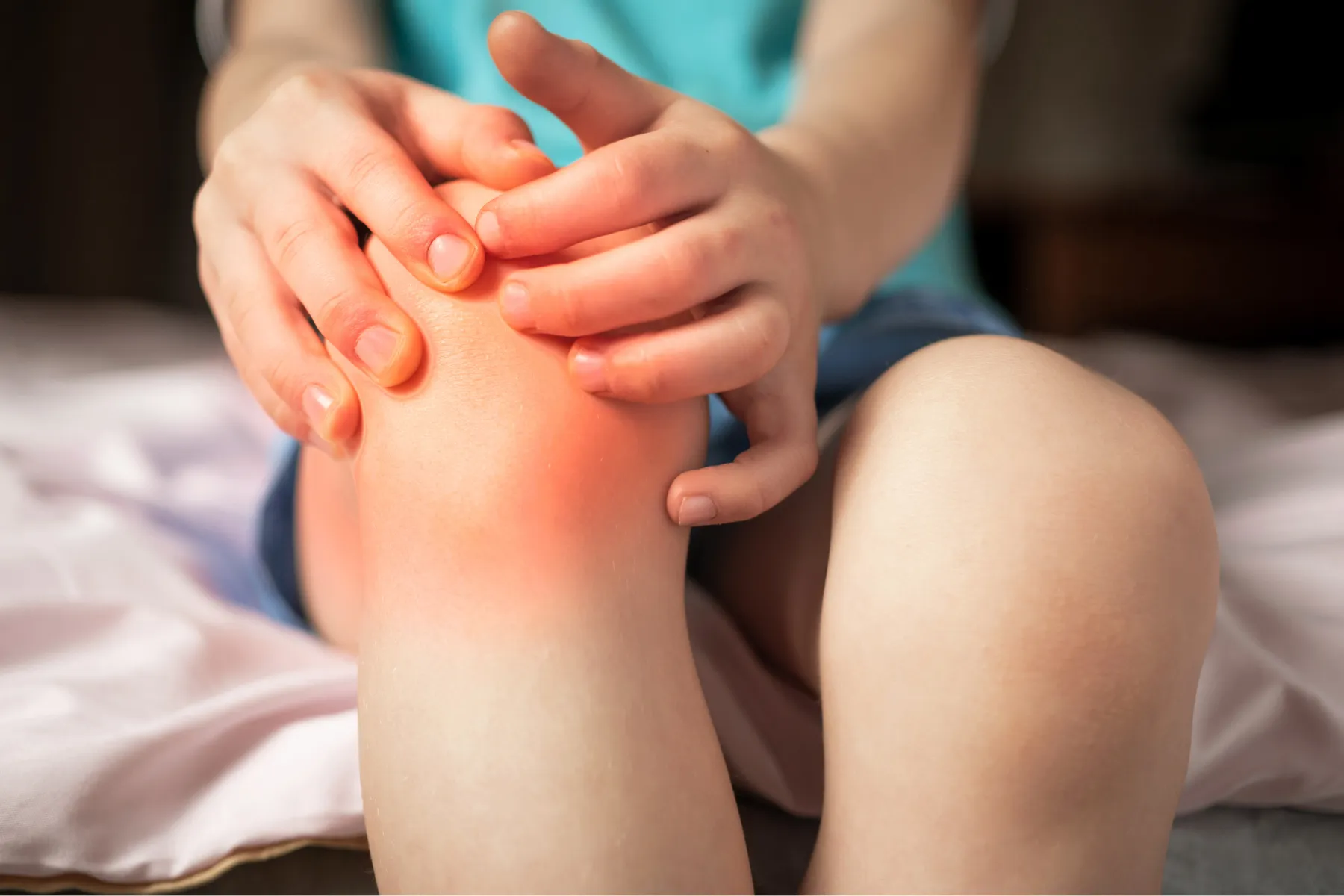
As parents, we expect scraped knees, sore muscles after a long day of play, and the occasional complaint about being tired. Childhood is active, busy, and constantly changing. But when pain starts changing how your child moves, plays, or participates in everyday life, it deserves closer attention.
At Action Medical Center, we often hear parents say, “Something just feels off.” Their child doesn’t want to run anymore. They hesitate before climbing stairs at school. They avoid sports they once loved. They struggle to carry their backpack. They complain that riding their bike feels uncomfortable. And yet, nothing obvious seems “wrong.”
This is often how juvenile rheumatoid arthritis begins — quietly, gradually, and easy to miss.
Our role in juvenile rheumatoid arthritis treatment in Martinez GA is to help families recognize these early warning signs and understand that non-invasive treatment for juvenile arthritis can support a child’s mobility, comfort, and confidence during some of the most important developmental years of their life.
This blog is for parents who want to understand how juvenile arthritis affects daily life, why waiting can make things harder later, and how supportive, science-based care can help children continue doing the things that matter most to them.
Juvenile Arthritis Is Not Just About Joint Pain
Juvenile rheumatoid arthritis is often misunderstood. Many parents imagine arthritis as something that only affects older adults. But in children, arthritis looks different — and its impact goes far beyond physical discomfort.
Inflammation in a developing joint doesn’t just cause stiffness. It can change how a child moves, compensates, and grows. When a child avoids using a joint because it hurts, other muscles and joints begin to work harder. Over time, these compensations can affect posture, balance, coordination, and confidence.
What makes juvenile arthritis especially important to address early is the fact that children’s bones, muscles, and joints are still changing. Growth plates are active. Muscles are adapting. Movement patterns are being established for life. Pain during this phase doesn’t just slow a child down temporarily — it can influence how their body develops.
How Juvenile Arthritis Affects a Child’s Everyday Life
One of the hardest parts of juvenile arthritis is that its impact often shows up in ordinary moments, not dramatic ones.
A child with early joint inflammation may still go to school, still smile, and still say “I’m fine.” But daily life begins to change in subtle ways.
Walking across campus can become uncomfortable, especially first thing in the morning or after sitting in class. Stiff joints may make the first few minutes of movement painful, causing a child to lag behind friends or avoid walking longer distances altogether.
Carrying a backpack may start to feel heavier than it should. Shoulder, wrist, or hip discomfort can make lifting and wearing a backpack exhausting. Some children begin switching shoulders constantly or asking for help more often, even though they can’t explain why it hurts.
Playing sports can feel frustrating instead of fun. Running, jumping, throwing, or gripping equipment may trigger pain or stiffness. A child who once loved practice may start making excuses to skip it. This isn’t laziness — it’s self-protection.
Riding a bike with friends can become uncomfortable when wrists, knees, or hips are inflamed. Instead of focusing on fun, the child is focused on discomfort. Eventually, they may stop asking to go outside at all.
Even simple activities like opening jars, tying shoes, sitting on the floor, or getting up from the couch can start to feel harder. Over time, children may internalize these struggles, assuming something is “wrong” with them rather than with their joints.
This is why pediatric arthritis pain relief must address more than pain. It must support movement, confidence, and participation in daily life.
Why Waiting Can Make Juvenile Arthritis Harder to Manage
Many parents hesitate to act early because symptoms come and go. A child may have a stiff morning, then seem fine by afternoon. Or pain may flare for a few days and disappear. This inconsistency often leads families to wait — hoping the problem will resolve on its own.
Unfortunately, waiting can allow inflammation to quietly shape how the body develops.
When joints remain inflamed during growth, children may unconsciously avoid certain movements. This can lead to muscle imbalances, reduced joint mobility, and altered posture. Over time, these changes place extra stress on surrounding joints and tissues.
As bones grow, they adapt to the forces placed on them. If movement is limited or uneven, joint mechanics can change. This increases the risk of chronic stiffness, long-term mobility issues, and recurring pain as the child gets older.
Early intervention helps interrupt this cycle. Supporting healthy movement now helps protect the body later.
Why Non-Invasive Care Is So Important for Growing Bodies
Children are not small adults. Their bodies respond differently to care, which is why non-invasive treatment for juvenile arthritis is often the most appropriate starting point.
At Action Medical Center, we focus on supporting the body rather than forcing it. Our approach is designed to respect growth, development, and individual needs.
Non-invasive care allows us to:
- Encourage natural joint movement
- Reduce inflammation without stressing tissues
- Support balanced muscle development
- Improve posture and coordination
- Protect joints during growth spurts
- Maintain confidence in physical activity
This approach gives children the best chance to move comfortably while their bodies continue to change.
How Physiotherapy Helps Kids Stay Active
Physiotherapy is one of the most important tools we use to support children with juvenile arthritis. When joints are inflamed, muscles around them often tighten or weaken. Physiotherapy helps restore balance.
Through guided movement, children learn how to move in ways that protect their joints instead of stressing them. Strengthening exercises help stabilize joints, while gentle mobility work keeps them flexible.
Most importantly, physiotherapy helps children stay active safely. Movement is essential for joint health, muscle development, and confidence. When kids feel capable in their bodies, they’re more likely to stay engaged in school activities, sports, and social life.
The Role of Gentle Chiropractic Adjustments
Chiropractic care for children is always adapted to their size, comfort, and development. At Action Medical Center, our chiropractic adjustments are safe, gentle, and science-based, designed to support joint alignment and nervous system communication.
For children with juvenile arthritis, chiropractic care may help improve how joints move and reduce unnecessary strain on inflamed areas. When joints move properly, the body distributes force more evenly, which can ease discomfort and improve overall movement patterns.
This type of care works alongside physiotherapy to support healthy development rather than replace it.
Restorative Medicine as Part of a Personalized Plan
Depending on a child’s diagnosis and response to care, restorative medicine options may be discussed as part of a broader treatment plan. These approaches are never one-size-fits-all and are always considered carefully.
The goal of restorative strategies is to support the body’s healing processes and help manage inflammation in a way that complements movement-based care.
Supporting Confidence, Not Fear
Children with chronic pain often worry about being “different.” They may avoid activities not because they don’t want to participate, but because they’re afraid of hurting or falling behind.
Our care philosophy prioritizes reassurance and education. When children understand their bodies and feel supported, fear decreases. Confidence grows. Participation returns.
Parents also benefit from clarity. Knowing that there are options beyond waiting or aggressive intervention helps families feel empowered rather than helpless.
What Families Can Expect at Action Medical Center
When families visit our clinic, we begin with a thorough evaluation. We take time to understand symptoms, daily routines, activity levels, and concerns. From there, we develop a care plan that may include physiotherapy, gentle chiropractic care, and supportive therapies tailored to the child’s needs.
Our approach evolves as children grow. What works today may need to change tomorrow — and we adapt accordingly.
You can learn more about our integrated approach by visiting actionmedicalcenter.com, where we outline how our services support patients at every stage of life.
Why Acting Now Can Shape the Future
Juvenile arthritis does not have to define a child’s future. With early support, many children continue to walk comfortably, play sports, carry their backpacks, ride bikes with friends, and participate fully in school life.
The key is not waiting for pain to become severe or constant. Early care protects joints, supports healthy growth, and helps children build lifelong movement habits.
Conclusion
At Action Medical Center, we believe childhood should be active, confident, and full of possibility. Our approach to juvenile rheumatoid arthritis treatment in Martinez GA focuses on early recognition, gentle support, and long-term wellness. Through physiotherapy, safe chiropractic adjustments, and supportive restorative options, we help children move with greater comfort while their bodies continue to grow.
If you’ve noticed changes in how your child moves, plays, or carries themselves, trust your instincts. Early support can make a lasting difference.
If you’re ready to explore pediatric arthritis pain relief and learn how we can support your child’s joint health, click here to set up a consultation.
Share our products and watch your earnings grow—join our affiliate program!
Share our products and watch your earnings grow—join our affiliate program!
Share your link, earn rewards—sign up for our affiliate program!
Become our affiliate and watch your wallet grow—apply now!
Monetize your audience—become an affiliate partner now!
Start sharing, start earning—become our affiliate today!
Share our products, reap the rewards—apply to our affiliate program!
Start earning on every sale—become our affiliate partner today!
Start earning passive income—become our affiliate partner!
Refer friends and colleagues—get paid for every signup!
Grow your income stream—apply to our affiliate program today!
Share our products, reap the rewards—apply to our affiliate program!
Boost your income effortlessly—join our affiliate network now!
Share our link, earn real money—signup for our affiliate program!
Your influence, your income—join our affiliate network today!
Get rewarded for every recommendation—join our affiliate network!
Get paid for every referral—enroll in our affiliate program!
Unlock exclusive affiliate perks—register now!
Share our products, reap the rewards—apply to our affiliate program!
Partner with us for high-paying affiliate deals—join now!
Join our affiliate community and maximize your profits—sign up now!
Tap into a new revenue stream—become an affiliate partner!
Drive sales and watch your affiliate earnings soar!
Become our partner and turn clicks into cash—join the affiliate program today!
Unlock exclusive affiliate perks—register now!
Promote our products and earn real money—apply today!
Earn recurring commissions with each referral—enroll today!
Good way of telling, and nice article to take facts on the topic of my presentation topic, which i am going to deliver in institution of higher education.
I simply couldn’t depart your web site prior to suggesting
that I extremely loved the standard info a person provide in your visitors?
Is going to be again ceaselessly to inspect new posts
Start earning every time someone clicks—join now!