Spinal Stenosis
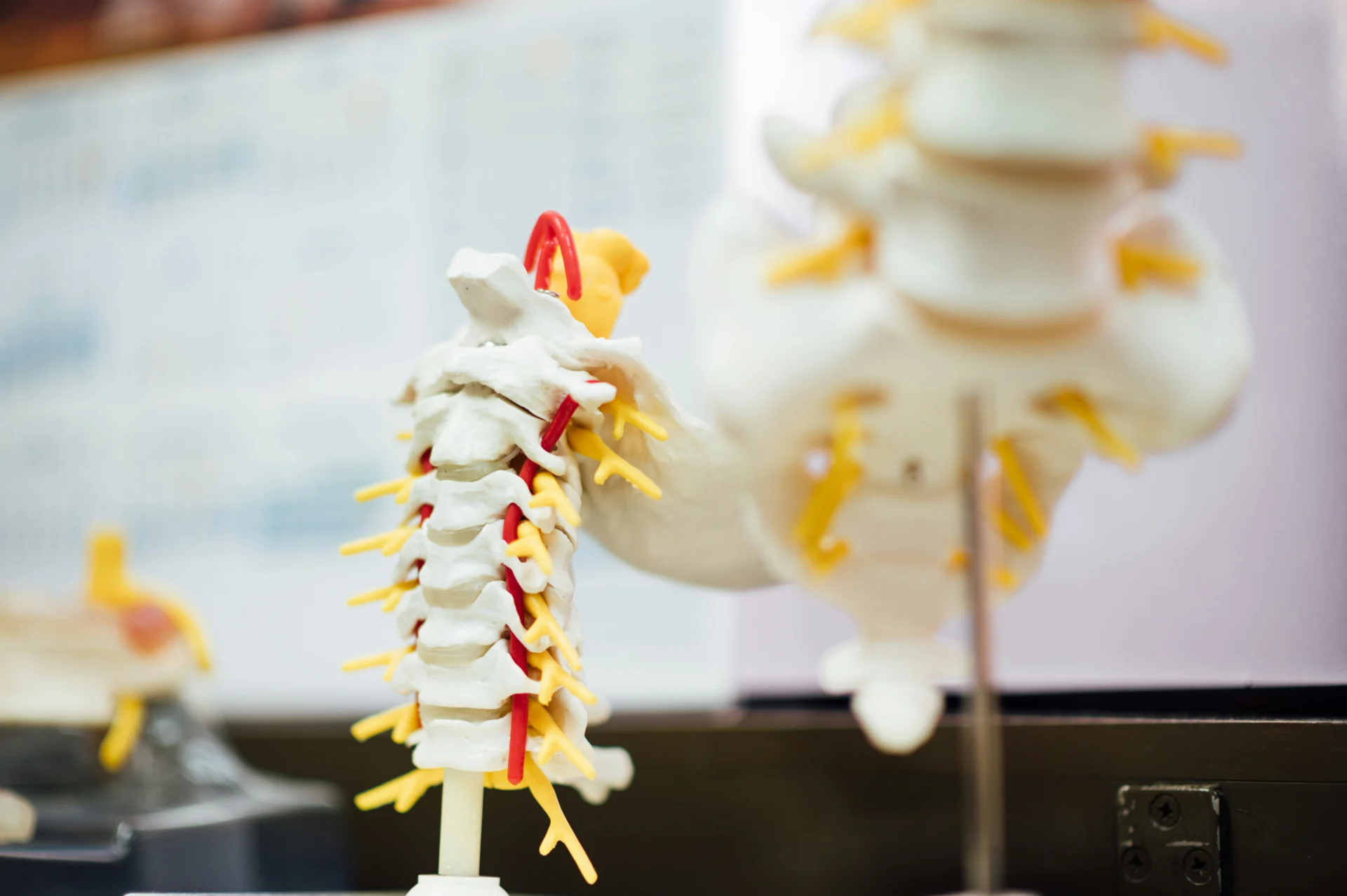
Spinal stenosis occurs when spaces within the spine become narrowed, potentially putting pressure on the spinal cord or nerves.
Our team provides conservative, non-surgical treatment options designed to manage symptoms, improve mobility, and help you stay active.
Understanding Spinal Stenosis
Spinal stenosis is a narrowing of the spinal canal or the openings where spinal nerves exit the spine. It most commonly develops as part of age-related changes in the spine, but other conditions or injuries can also contribute.
Symptoms vary depending on where the narrowing occurs and which nerves are affected.
Common Causes & Risk Factors
Spinal stenosis may be associated with:
- Age-related degenerative changes
- Osteoarthritis of the spine
- Herniated or bulging discs
- Previous spinal injury
- Previous spinal surgery
- A naturally narrow spinal canal
- Scoliosis or other structural changes
- Poor posture
- Other conditions affecting the spine
Risk increases with age and may also be influenced by previous spinal injuries or structural differences in the spine.
How We Treat Spinal Stenosis
Treatment may include:

Rehabilitation Therapy
Targeted exercises designed to improve strength, mobility, balance, and overall function.

Chiropractic Therapy
Gentle, individualized care designed to improve spinal and joint mechanics when appropriate.

Physiotherapy
Exercises and therapeutic techniques designed to improve mobility and support daily function.

Regenerative Therapies
PRP and other restorative options may be considered depending on the individual's condition and treatment goals.

Spinal Decompression & Traction
Non-surgical approaches that may help reduce stress on affected spinal structures and improve comfort.

When To Seek Help
Spinal stenosis should be evaluated if you experience:
- Back or neck pain that persists or worsens
- Numbness, cramping, or pain in the legs or arms
- Weakness in an arm or leg
- Increasing difficulty standing or walking
- Symptoms that improve when sitting or leaning forward
- Reduced ability to perform normal daily activities
Seek prompt medical evaluation for significant or rapidly worsening weakness, loss of bladder or bowel control, or other severe neurological changes.

Improve Mobility. Reduce Pain.
Our goal is to help you manage your symptoms, maintain your mobility, and stay as active as possible with a treatment plan tailored to your condition and goals.